By Brandi Buzzard on November 5, 2026
How Do Cattle Become Beef?
A rancher explains the process
I’ve talked at length about the lifecycle of a calf from birth to growing to a market-ready animal and then glossed over the process of beef getting to the supper table. Obviously, a ready-to-harvest steer doesn’t just walk into the processing plant and, with the wave of a magic wand, turn into steaks. It’s a bit more complex than that.
The goal of a feedyard is to have a group of cattle arrive at harvest weight at the same time. In a pen of steers, it’s more profitable for them all to hit 1,500 pounds at the same time, than to have half of them reach that weight early and the rest of the pen need another two weeks on feed.
Once the cattle reach the ideal weight, a cattle trailer will haul the group to the processing plant. Upon arriving, they are unloaded, grouped together in a few pens and provided with water. Most of the time, once cattle have arrived at the plant, they are slaughtered within six hours. Pens at a feedyard are not designed for cattle to stay in them long-term as there is no bedding or feed available.
When it’s their turn, each animal is walked through a chute into a dedicated area where a highly trained technician uses a device to render the animal permanently unconscious.
Handling facilities like the alleys, chute and where they're rendered unconscious have been designed to be as low-stress and humane as possible so the cattle are not scared or stressed. In all actuality, the animal has no idea what is happening and is rendered unconscious without a struggle.
From there, processing includes removing the offal, head, hide and tail, and splitting the beef into two halves before it’s stored in the cooler for approximately 24-36 hours.
After the halves are cooled, a USDA professional evaluates the ribeye area at the 12th rib and determines the quality grade of the carcass, based on the amount of visible marbling. The highest grade is prime, while the lowest grade to leave a processing plant destined for consumption is standard.
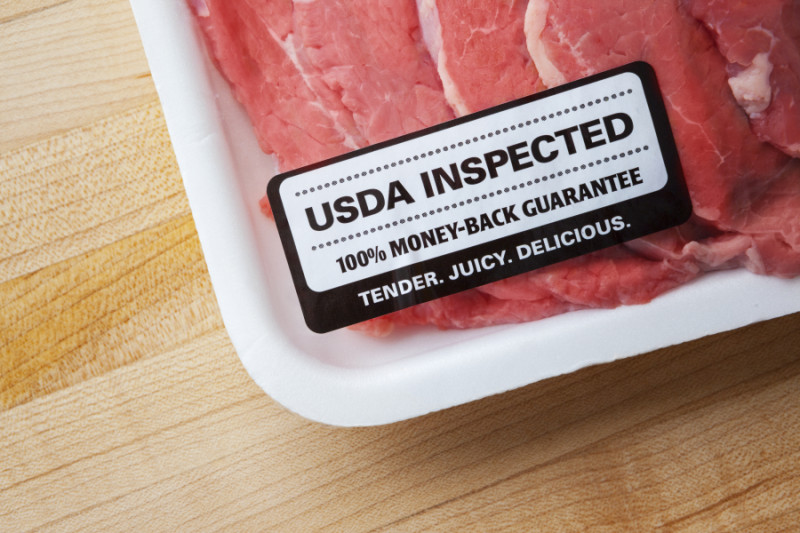 The number of cattle that grade standard is almost nonexistent today, as cattle genetics and feeding strategies have vastly improved carcass quality over the past 50 years. Thirty years ago, very few cattle graded prime and now, prime beef is a common occurrence in the marketplace and at restaurants. There are multiple product lines at grocery stores touting choice or choice plus beef; for example, you have likely heard of Certified Angus Beef, which is a branded beef product promoting premium beef.
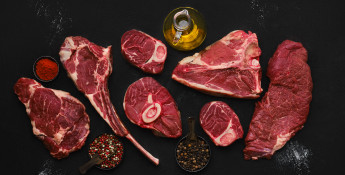
After grading, the two halves of beef begin their journey on the chain to be cut into primals and subprimals, which are large portions of each half that are shipped to grocery stores and restaurants as “boxed beef.” The nine primal sections are chuck, loin, sirloin, rib, round, brisket, plate, flank and shank and there are dozens of subprimals, too many to list here!
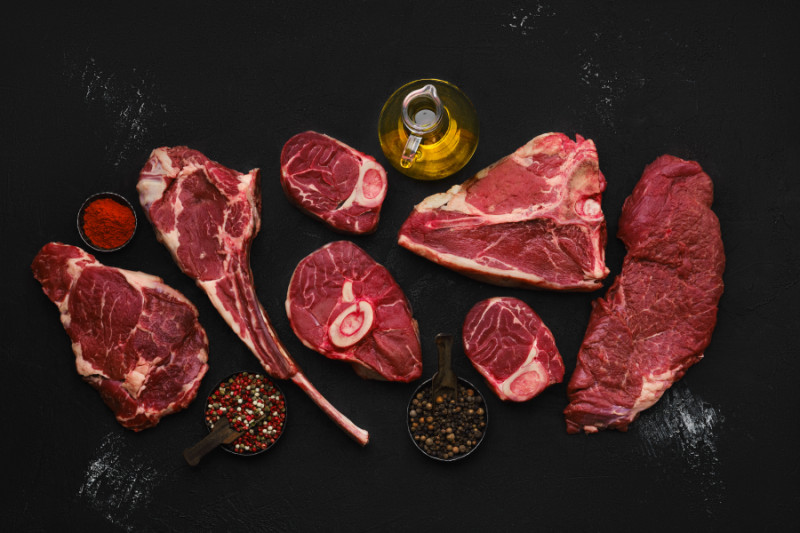 These primals and subprimals are destined for a variety of product lines to be served in restaurants via foodservice companies like Sysco, and at grocery stores like Kroger, Trader Joes and Walmart. Generally, the beef is not shipped as individual cuts but rather is cut into portion sizes once it arrives at the restaurant or grocery store.
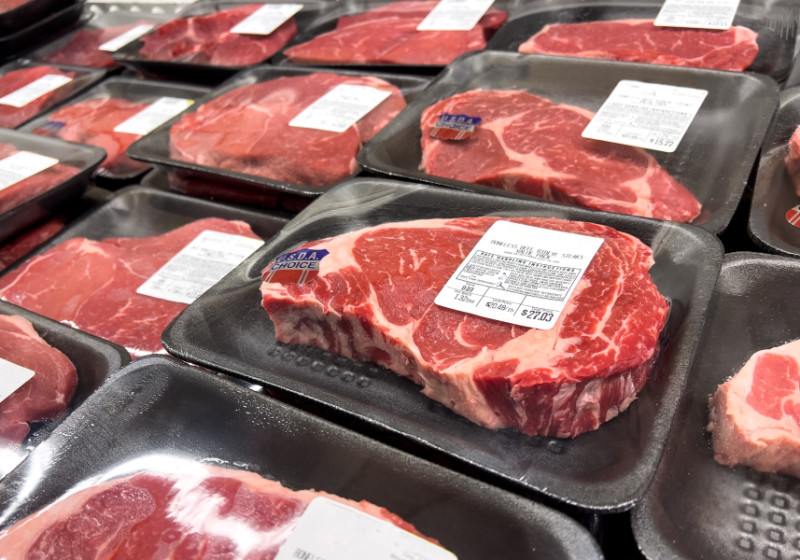 This whole process of slaughter to meat department shelf usually happens in less than a week and the beef is refrigerated the entire time, so you can be assured your beef is fresh when you see it on the tray. So, if you’re wanting fresh beef but don’t have access to a local farmer or a meat market, you can be confident the beef you’re purchasing at the grocery store has been prepared safely and professionally for your family.