By Brandi Buzzard on August 6, 2026
Your Guide to Buying Local Beef from a Kansas Rancher
Asking yourself, "Where's The Beef?" Start here!
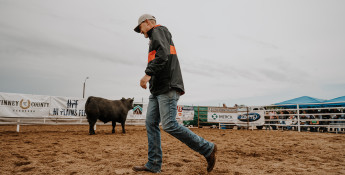
Our family is coming down from the county fair high. We spent last week hustling to and fro and soaking up all the fair memories at the parade, rodeo and carnival while also doing our best to impress at the horse and beef shows, in the foods and crafts building and at the premium sale. It’s a whirlwind week of little sleep and lots of action — even for a small, rural county we are constantly going Mach 9.
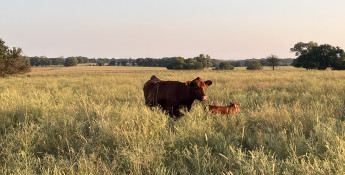
While winding down from the week, cleaning the trucks and working on eight loads of laundry, I was talking to my daughter about the sale of her steer and what she wanted to do with her money. She received a base price and premium for her show steer, but she has yet to decide what to do with Neon, the heifer she exhibited. Her options are to breed Neon and add her to the cow herd or feed her out in our small feeder pen and sell her for freezer beef. We are fortunate to have a loyal clientele for our beef and Neon would help us meet our customers’ demand.
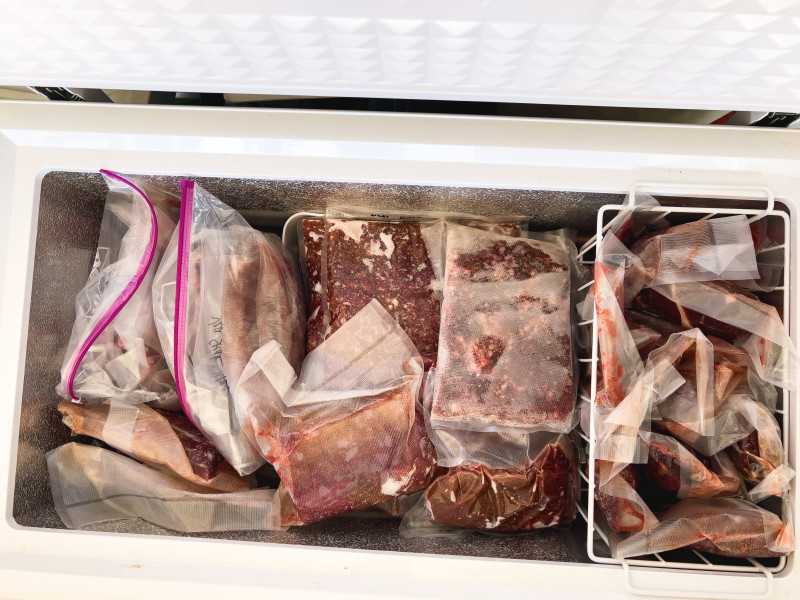 While on the topic of home-raised cattle and freezer beef, if you’re hoping to purchase a quarter, half or whole beef from your local farmer or rancher, here’s a few tips to help answer any questions as you move forward with sourcing your beef.
How much beef is in a quarter, half or whole?
Even though a fully finished market beef will be harvested around 1,500 pounds, after processing you’ll be taking home much less. The average yield for a beef carcass is approximately 65 percent, which is called the hot carcass weight. This is the weight with bones, connective tissue and fat on the beef, before being cut into steaks, roasts, ground beef, etc. Multiply the hot carcass weight by another 65 percent and you’ll have an idea of how much beef you’re getting for the freezer. For example, on a 1,500-pound steer, you’ll end up with roughly 145 pounds (more or less) of beef for your freezer for a quarter and close to 300 pounds for a half. The meat you take home is less than the hot carcass weight due to cutting. Based on the cutsheet — which is basically an order form outlining how a customer would like their beef cut i.e. steak thickness, bones in or out, roasts vs ground beef, etc. — the final amount of beef for the freezer can vary a bit. Speaking of the freezer…
How big does my freezer need to be for a quarter of beef?
To make it clear, a quarter beef isn’t going to fit in the top freezer of your refrigerator. You’re going to need a deep freezer of some kind and multiple sources indicate roughly 1.5 to 2 cubic feet of space per 25 pounds. For a 150-pound quarter, 9.5 to 12 cubic feet should accommodate well.
How much does it cost?
Every farmer or rancher does it differently but in our business, customers pay a set price per pound for the hanging weight, including processing. We base the price on our cost of business including feed, health care and our time raising the beef and have raised it in the past as business inputs have increased. Purchasing a quarter or half beef is a sizable investment upfront, however, if you average the cost of the quarter over the amount of beef you’ll put in the freezer, it’s almost always cheaper per pound than at the grocery store.
Is local freezer beef safer or healthier than beef at the grocery store?
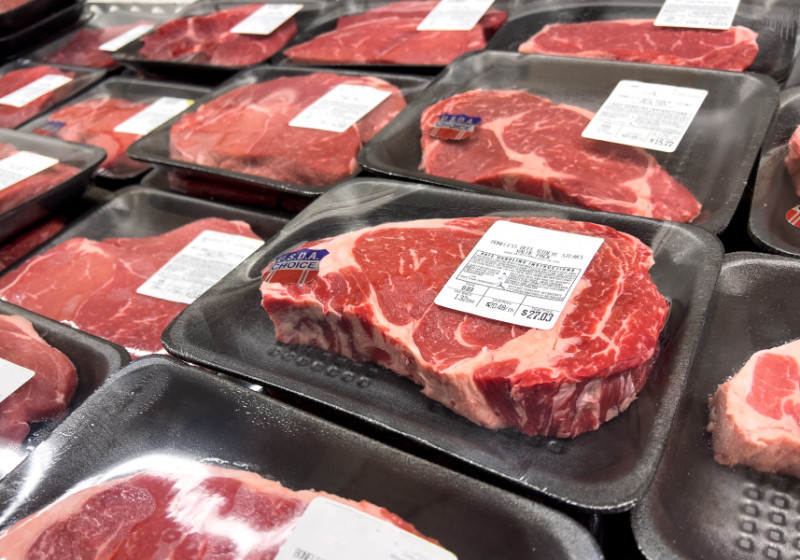
No. Grocery store beef is inspected and approved by the USDA before, during and after the harvest process and before it ever reaches grocery store shelves. The beef at your local grocery store is safe! Additionally, grocery store beef has the same essential vitamins and nutrients — including zinc, iron and protein — as the beef you purchase from your local farmer or rancher. Are there taste differences? Absolutely, but those come from the way the beef is aged and processed post-harvest. It’s a different process, not necessarily better or worse, and taste is highly subjective. If you prefer the flavor of local beef and can afford it, please, by all means, fill your freezer. However, don’t feel guilty if what fits your family’s lifestyle is different than your neighbors’ lifestyle.
Should I buy local beef to avoid supporting “corporate agriculture?”
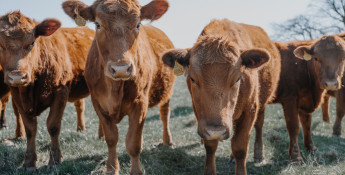
Grocery store beef comes from small farms and ranches, just like mine! We are a small-to-medium-sized ranch and not only do we sell other farmers’ and ranchers’ bulls, and sell a substantial amount of freezer beef, we also sell beef into the grocery store supply chain. The beef we sell to the grocery store chain is raised, treated and fed the exact same way as the beef we sell to our local customers. And there are hundreds of thousands of families just like mine doing the same thing. In fact, on many farms and ranches — including ours — cattle for our freezer beef supply are raised right alongside cattle we sell into the grocery store supply chain. Both groups receive the same vaccinations, deworming protocols, feed and mineral and intensive management.
Where can I find beef from a local Kansas farmer or rancher?
Luckily, there is a wonderful network of farmers and ranchers on Shop Kansas Farms where you can find producers of all goods from elk to flowers to eggs to beef (including our ranch, High Bar Cattle Company).
I hope you’ll feel confident in the safety and nutrition of your beef whether you’re buying from a local farmer or from your local grocery store — both are great options! If you have questions about local beef, don’t hesitate to contact one of the many farmers or ranchers on Shop Kansas Farms, or reach out to me as well.