By Sheridan Wimmer on June 18, 2026
A celebration in Garden City brings beef industry, consumers together
Garden City’s Beef Empire Days honors the people in the beef industry for nearly 60 years
There are more cattle in Kansas than there are people. It’s a fun statistic that may shock some, but in Kansas, it’s no surprise. The cattle industry has been rich for generations, spanning back to cattle drives making their way to towns like Baxter Springs, Abilene, Dodge City and more. After the era of cattle drives, ranchers dug their hooves into permanency by homesteading and staking their claim at land for cattle.
 The cattle industry has evolved through the years to adjust to enhanced genetics, rancher diversification and consumer demand. Today, cattle production typically has three phases of production: cow-calf (calves raised until weaning), backgrounding (calves are fed or pastured to gain skeletal growth) and finishing (cattle are fed until they reach desirable body composition to go to the processor). It’s no surprise that when there are more cattle than people, that it is a large economic boon to the state. Even with the nation’s cattle herd at the lowest it’s been in decades, cattle reign supreme in Kansas with nearly 6 million head, ranking only behind Texas and Nebraska. The Kansas Department of Agriculture indicates cattle make up 61 percent of the state’s total agricultural cash receipts.
With a legacy like the beef industry’s in Kansas, it’s one worth celebrating; and in Garden City each year, they throw one heck of a beef party.
The start of an empire
Before we can mention the parade, rodeo or other events during Garden City’s Beef Empire Days, we need to start from the beginning — in 1969 John Dohogne, manager of Producers Packing, and cattle feeder Earl C. Brookover wanted to highlight the industry.
“Earl Brookover started cattle feeding in the area, I think it was around 1952, and others started picking up on that, particularly in the late ’50s, early ’60s,” says Sam Hands, an award-winning cattle feeder of Triangle H, a family-owned feedlot in Garden City. “John Dohogne worked at Garden City’s Producers Packing Company at that time, and he was talking with some of the K-State Extension folks about an opportunity to celebrate the beef industry, commend the people in it for what they were doing and also use the celebration as a way to educate.”
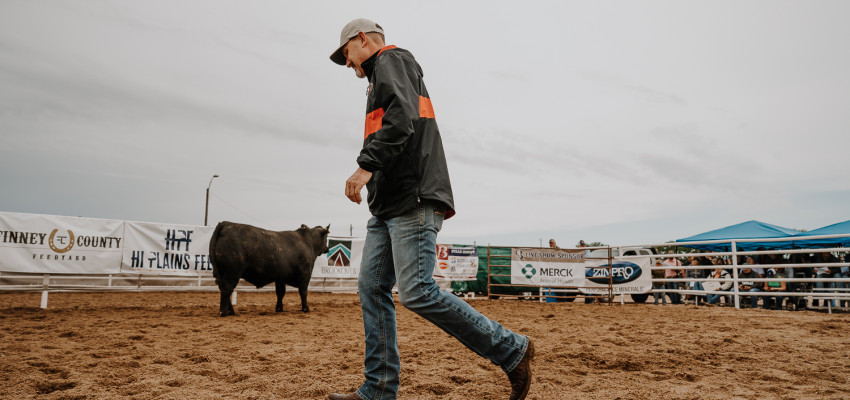
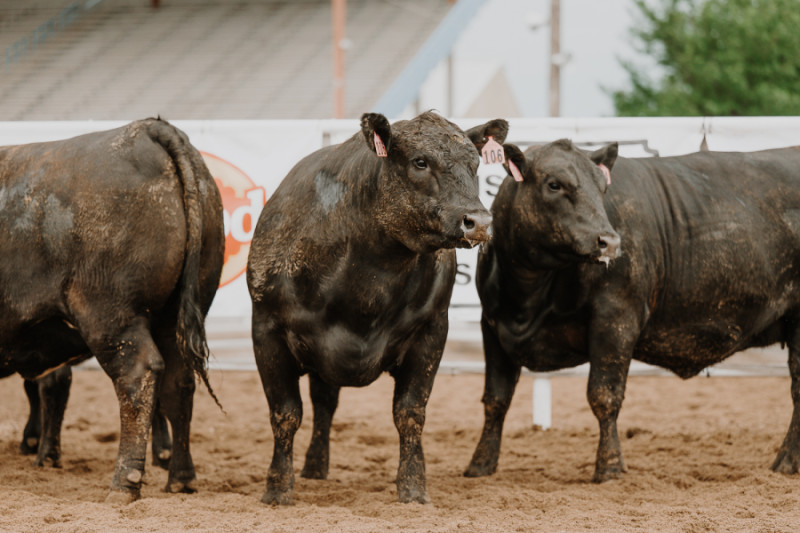
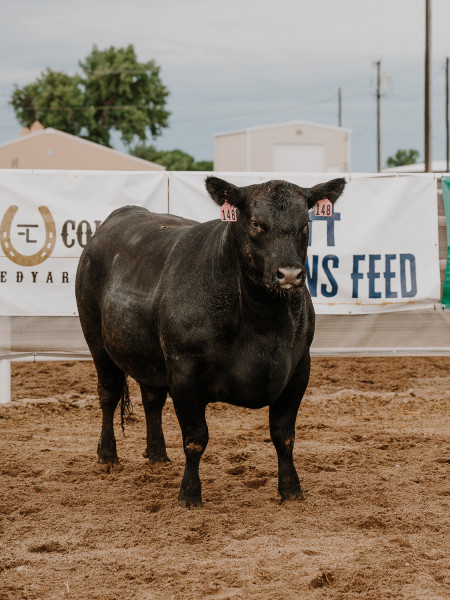
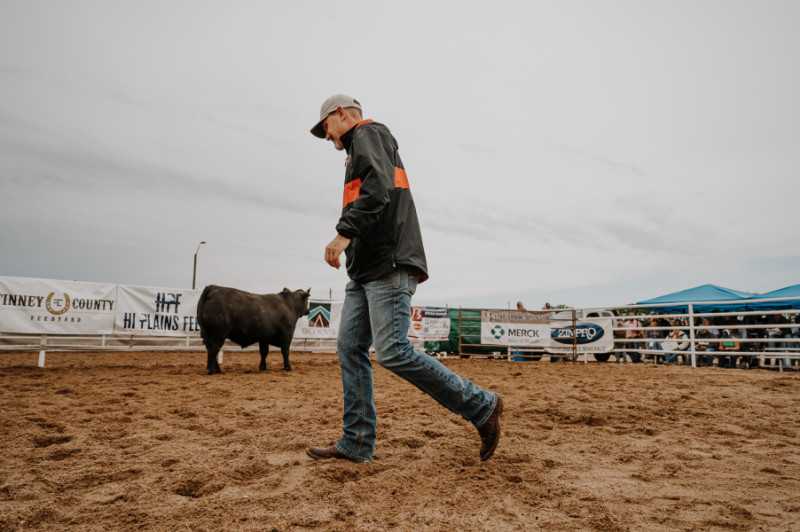
The idea eventually turned into the event that started all of Beef Empire Days — the currently named Merck Animal Health Live Show. It’s similar to a livestock judging event where cattle come into a ring, are evaluated “on the hoof” for their body composition by an expert judge and put into different pens to indicate how the judge rated the steers or heifers.
 Several area feedyards participate in the event, creating a dynamic collaboration that’s also competitive in the beef industry.
“Amongst the managers, we're all fiercely competitive,” says Dominic Stephens, who manages Beef Belt, LLC, in Scott City and is the Beef Empire Days board president. “We're fighting for customers, we're fighting for cattle; this industry is huge, and we all want to be the best. That's just by nature.”
Being competitive in this event speaks to the pride cattlemen and women have in their herds and finished product. Competition makes them all want to work harder to improve the beef they provide to food buyers and their own families. Competition, however, comes with a side of collaboration. The beef industry wouldn’t be what it is today without ranchers leaning on each other to learn, adapt and grow.
“On the flip side, I can call six managers right now if I needed something,” Stephens says. “Every one of them is going to be there to help. We're all friends at the end of the night, but we want to one-up the next guy.”
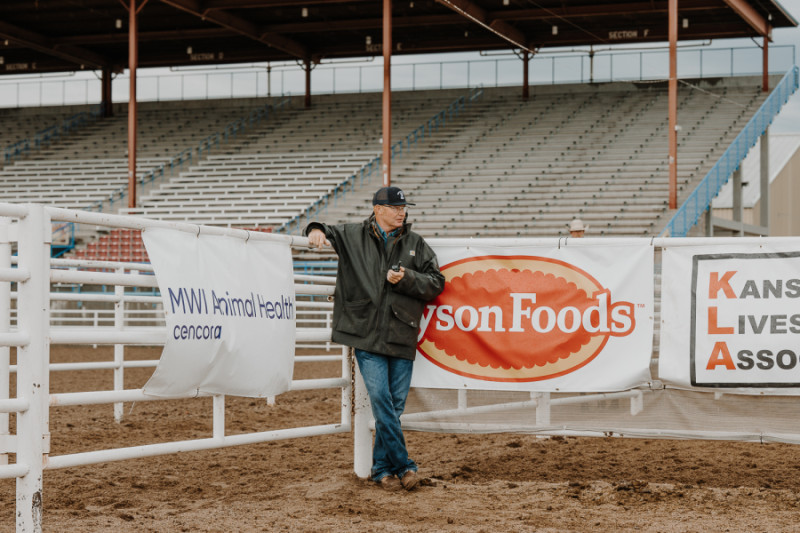
In the ring and on the rail
Not to equate large bovines to humans, but there’s something about these animals entering a ring to be judged on appearance that likens a runway model being judged on the latest new fashion trend.
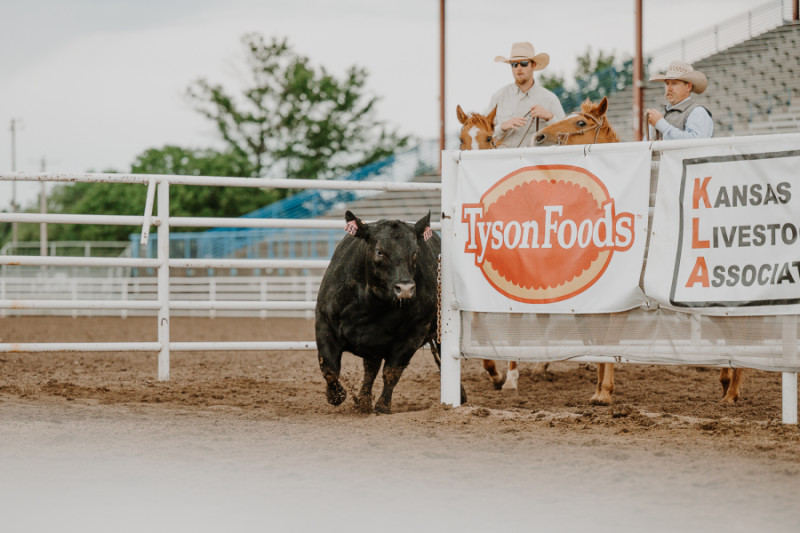 Where the fashion show’s clothes are by a certain designer, so too are these cattle. Area feedyards will pick out the steers or heifers they think will perform well — both on the hoof as a live animal, but then also try to predict how they’ll perform once processed for beef.
“If you participate in all of it from the live show through the carcass show, it keeps you in reality and in check by seeing what others are bringing to town,” Stephens says. “One of the most eye‑opening experiences for me was the first time I went to the packing house and saw what lies underneath that hide. It explains so much. What looks sometimes more appealing to the eye isn’t necessarily what has the dollar signs underneath.”
Beef Empire Days uses experts to judge the live and carcass events. Dr. Ryan Rathmann of Texas Tech University judged the live show, putting heifers and steers weighing upwards of 1,560 and 1,700 pounds, respectively, into various pens based on his knowledge of livestock judging. He would meticulously judge each individual animal as it entered the ring and select a number for it to go into. One plus was the elite class, and some he considered lowering based on their temperament.
“She’ll be a two,” Rathmann said when one heifer entered. After he had to hop on the side of the corral when she got a little feisty, he jokingly says, “Maybe a three.”
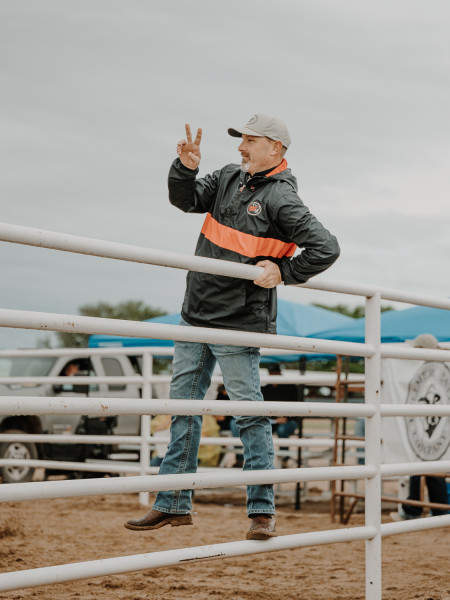
 Once the heifers and steers are rated on the hoof, they go to Tyson, a beef packing plant, to be judged for their carcass quality; this year by Dr. Ty Lawrence, professor of animal science and director of the Beef Carcass Research Center at West Texas A&M in Canyon, Texas. The quality is judged on the Beef Empire Days index, which was developed by Kansas State University Extension Specialists and other industry representatives to rank based on key indicators for beef cut quality. It starts at 100, then points are applied or deducted based on hot carcass weight, ribeye area, 12th rib fat thickness, percent fat on organs like heart and kidney and quality grade. What is pretty in the ring doesn’t necessarily mean its carcass quality will reflect that.
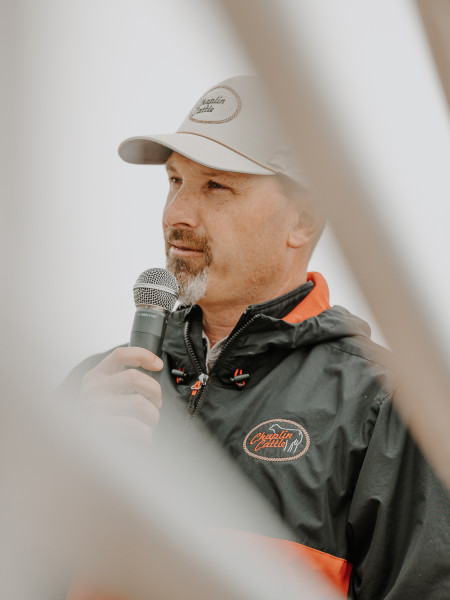
"The Beef Empire Days index has been very prominent in helping people start gridding cattle and seeing what you can do with carcass information for cow‑calf producers,” says Mark Sebranek, Beef Empire Days’ historian and currently at Bar W Cattle in Kismet. “We're looking for the combination animals. When I was at a different feedyard, we were feeding cattle for the University of Missouri. They wanted to pick the ones we put in the show and one of them, looking at the animal, boy, that was an ugly animal. But we had our cattle on the rail next to the live show animals and some of the guys there doing the genetics found that ugly animal and he was the best carcass. But it has to be both — it has to look pretty and hang up well. Some breeds like your Wagyus — you don’t want them next to the fenceline, but they put out great marbling.”
Marbling is a key factor in determining the quality of a product.
“The most important thing we have in the beef industry is our quality by way of marbling,” Hands says. “That is why people are paying what they pay for beef, and they want our product more than any other protein out there.”
"Our consumers don't want a 21‑inch ribeye, because if you're trying to get a 14‑ounce steak and it's 21 inches, it's thin as paper,” Sebranek says. “The perfect steak packers have said for years, it's 13 and a half to 14‑inch ribeye."
Care for cattle comes as a commitment
These cattle, no matter how they score in the ring or on the rail are raised with respect and care. A well-taken-of animal ends up as a well-done (medium rare) steak. Outside of their care, consumers are top of mind for cattlemen and women.
“Our job here is to convert feedstuffs by way of sunshine and rain from Mother Nature and convert it into a highly digestible, nutritious protein that the consumer wants and cherishes,” Hands says.
“Within performance of the animal, if you don't have health and animal welfare, you don't get the performance,” Stephens of Beef Belt says. “And if you don't get the performance, you don't get the repeat customers. It's all a big domino effect.”
Sam Hands’ crew did well this year at the Merck Animal Health Live and Carcass Show, placing first overall live and carcass steers.
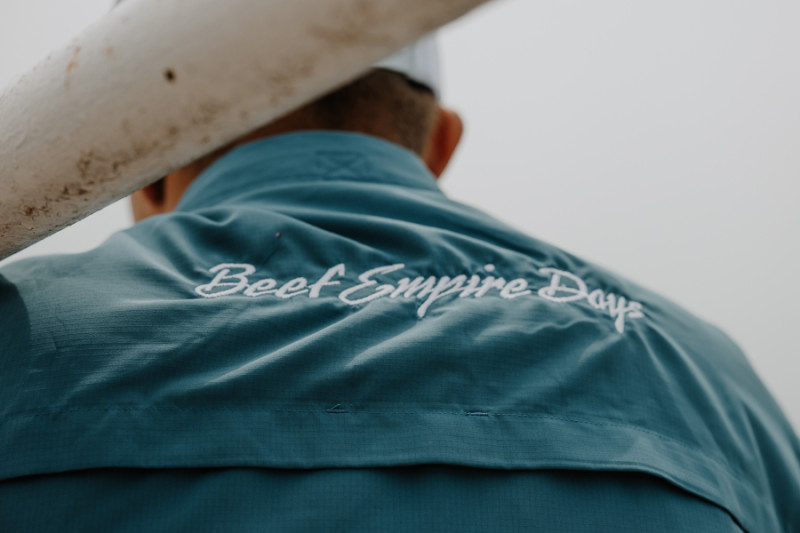
“It’s rewarding and humbling,” Hands says. “But at the end of the day, it’s our job to take the genetics our customers are giving to us in these cattle and getting them to those genetics’ fullest potential. It isn’t so much what we’ve done, it’s the quality of cattle we’ve had the opportunity to feed and those cow calf operators we’ve worked for.”
The consumer connection
The beef industry understands the importance of watching what food buyers look for in their products. While affordability is an important component of what gets picked up and put in a cart at the grocery store, beef has shown that even with price increases, the demand is still high.
“I was at a beef event deal where they said something about ‘beef is the new holiday meat,’” Stephens says. “It took a minute for me to really realize how people get excited to go eat a steak and get excited to have a prime rib for Christmas and maybe at times choose beef cuts over other proteins. Quality in what we’re producing is what has brought that to the center of the table.”
According to a Market Intel by American Farm Bureau Federation, USDA reports the average retail price for beef set a record in April at $9.64 per pound, up about 13 percent from the previous year. Beef prices remain elevated by strong demand and the smallest U.S. cattle herd in 75 years. This is a result of years of drought, reduced income following the pandemic and elevated operating costs that have led farmers to liquidate their herds. USDA’s latest World Agricultural Supply and Demand Estimates (WASDE) report estimates that 2026 total U.S. beef consumption will be 29.38 billion pounds, up 1.3 percent, or 390 million pounds, from 2025.
To compensate for the low cattle herd but increased demand of beef, the industry is building beefier bovines.
“In this year's show, there were some exceptionally big cattle,” Hands says. “They’re big cattle, but we also need to keep in mind the carcass side of the equation. It’s interesting when we get to the carcass show part, then we find out where the genetics really are, because the feedlot industry does a tremendous job of utilizing the grain and roughage from various feed sources. Through consulting nutritionists and veterinarians, they do an amazing job of caring for these animals, helping them reach their potential and go to market.”
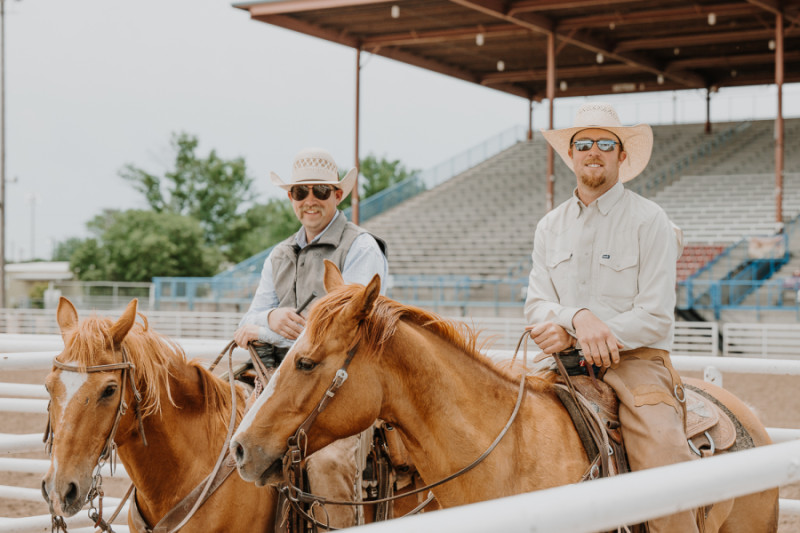 From the live and carcass shows to the parade, rodeo and other events throughout the nine-day event, showcasing the beef industry and its importance in Kansas and especially southwest Kansas is the goal.
"The success of Beef Empire Days is showing the community how important the beef industry is to southwest Kansas,” says Grady Gleason, a Beef Empire Days intern, native of Garden City attending Garden City Community College and advocate of the agricultural industry.“Truly any business, any person in southwest Kansas, whether they think that they're related to agriculture or not, is somehow impacted by the beef industry and especially the agricultural industry broadly."
 “From conception to consumption, it takes nearly 30 months to produce beef, and in that time, caretakers make countless decisions about genetics, health and nutrition to ensure those animals have a successful life,” Hands says. “It’s just like taking care of your family members at home — taking care of their health is very important. In many cases, the families and companies who raise livestock sacrifice their own wellbeing to make sure the animals are cared for, and that commitment should be appreciated and celebrated.”
The beef industry is complex, competitive and collaborative. The Beef Empire Days event showcases the people behind the industry who make the care of cattle and consumer satisfaction top priority, creating the safest, most nutritious end-product.
“That’s one great thing about this industry,” Stephens says. “There’s so many good people.”
Good people make great beef, even if cattle outnumber us.
Stay up to date on the 2027 Beef Empire Days at www.beefempiredays.com.
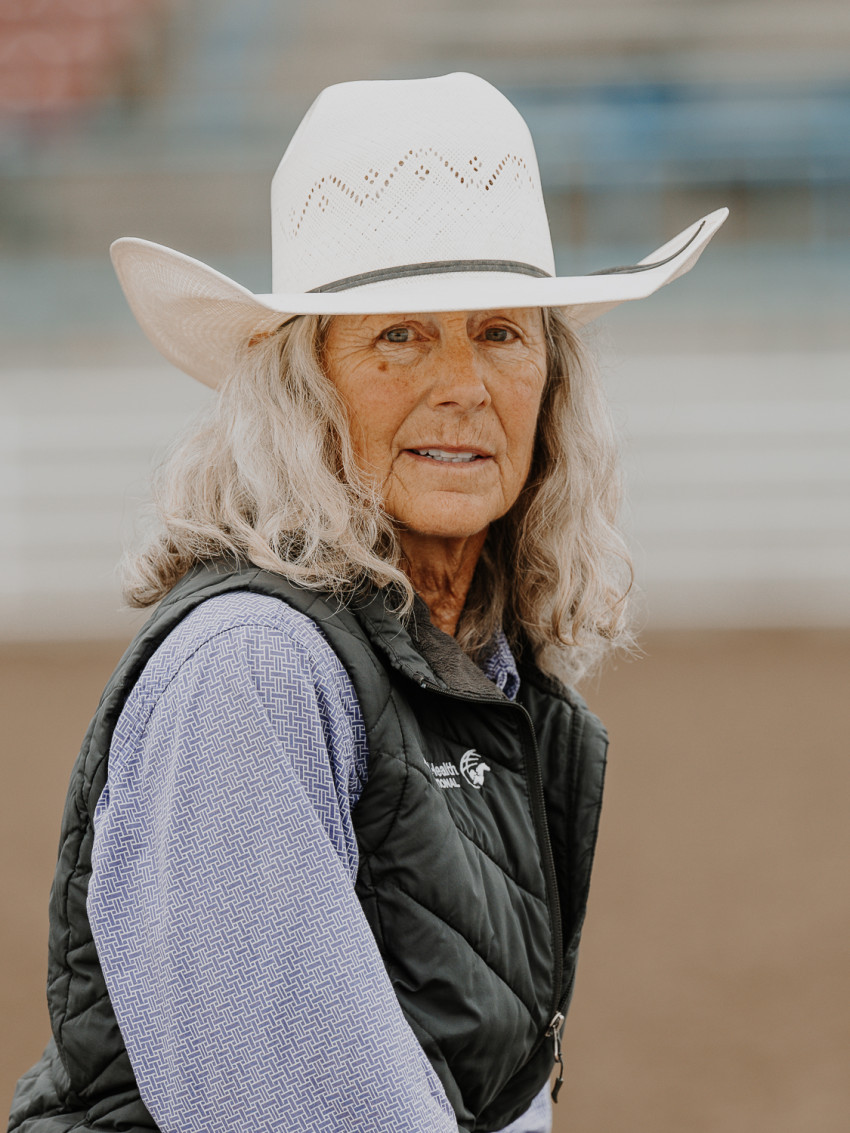 Quality grades of beef
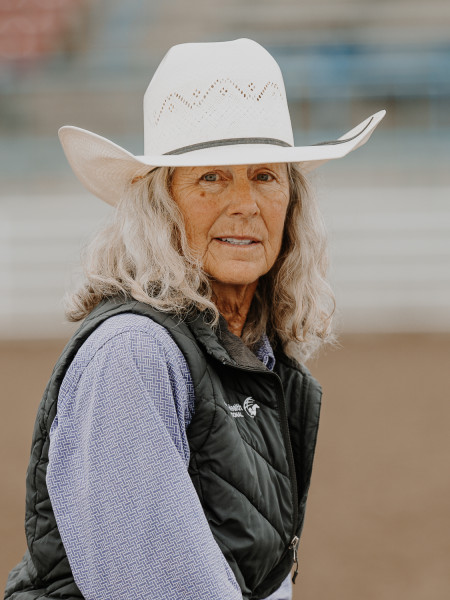
USDA Prime: The highest grade. Abundant marbling ensures maximum tenderness, juiciness and flavor. Mostly found in upscale restaurants and specialty butcher shops.
USDA Choice: High quality but with less marbling than Prime. It provides a great balance of flavor, tenderness and affordability. This is the most common grade found in standard supermarkets.
USDA Select: Very lean with minimal marbling. It can be less tender and flavorful than Choice but is an economical choice for slow-cooking or marinades.
Standard and Commercial: Typically sold as store-brand meat or without specific grade labels; often requires specific cooking methods to ensure tenderness.
Utility, Cutter and Canner: The lowest grades. These are rarely sold as whole cuts in grocery stores and are primarily used to make ground beef, sausages and processed foods.

Sheridan Wimmer
Born and raised in Kansas, Sheridan Wimmer has an appreciation for the state’s agricultural diversity. Representing the best interests of Kansas farmers and ranchers is Sheridan’s jam (or jelly, no discrimination). Great food and wine are at the top of Sheridan’s sustenance list and she knows it wouldn’t be here... Read more