By Greg Doering on November 2, 2026
North American Gun Dog Association Tests Hunters, Bird Dogs
A Kansas hunting competition brings together bird dogs and their handlers for a season of friendly competition and tradition.
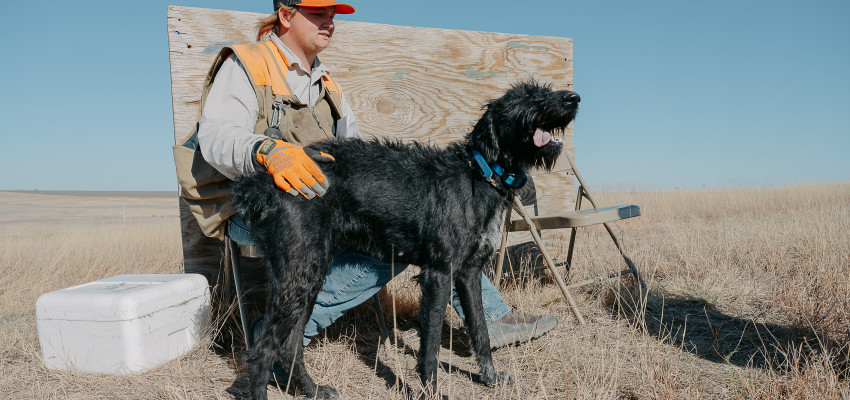
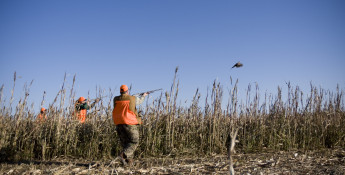
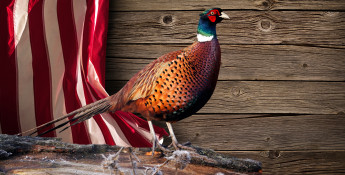
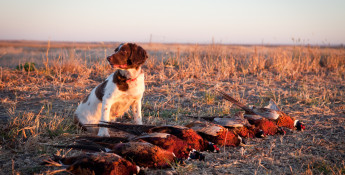
For generations, upland bird hunting has been a communal and competitive event. The groups of hunters and their dogs who prowl harvested fields and thick prairies looking for ring-necked pheasants often joke to one another while placing small bets on who will shoot the first prize or bag the most birds.
For pheasant hunters in Kansas, the season’s opening day on the second Saturday in November is an unofficial holiday. Hotels are booked years in advance. Breakfast fundraisers at VFWs and church halls are filled with hunters in blaze orange hurriedly filling up on pancakes and gallons of coffee before a long day of walking fields in search of birds begins.
It’s all part of the hunting process, which is just as important as the actual hunt. Conversations begin over coffee in the morning, continue over breaks between fields and linger into the evening.
But pheasant hunting isn’t the only game involving guns, bird dogs and a little good-natured ribbing that begins in November.
A Different Competition
The North American Gun Dog Association (NAGDA) started as a way to offer the camaraderie of a hunt with the ability to showcase the prowess of bird dogs through hunts with largely similar conditions.
The Colorado-based nonprofit hosts events November through April, from Virginia to California. Single hunters and their dog work through acre-sized fields that contain planted birds and are scored based on a variety of factors ranging from how quickly they find the birds, if they shoot them and how many shotgun shells they end a run with.
The season opener was held just outside Goodland on a Controlled Shooting Area, which is a privately owned and managed hunting preserve that offers an extended hunting season for pen-raised birds. The event was hosted by Sherman County Farm Bureau members Melvin and Julie Crow, who are also NAGDA members and owners of MJ’s Upland Dog Haven.
Waiting Game
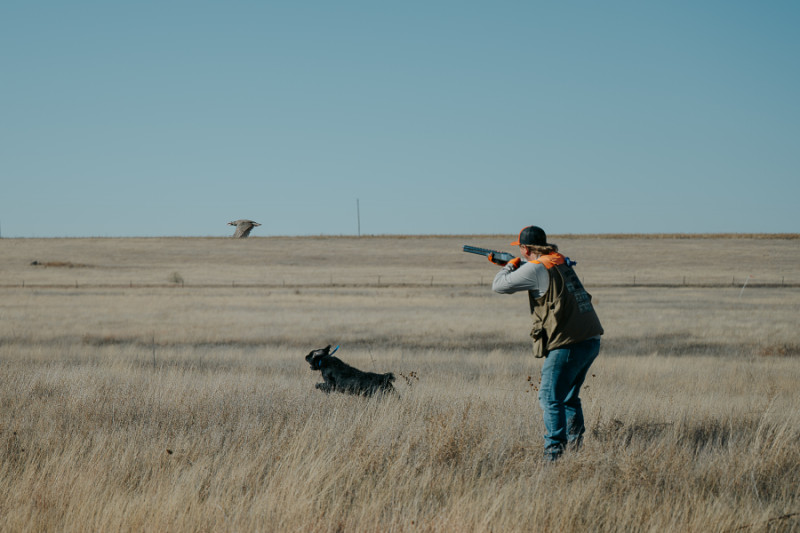
Despite spending the previous day in the field hunting, Sass was itching to chase birds again on a warm November day. The only hitch was the German wirehaired pointer had to wait with her handler, Jarek Crow, who is Melvin and Julie’s son, before entering the field.
Jarek was at ease behind a blind, but Sass was a ball of energy. It didn’t help that Sass had to watch as their competition worked the field in front of her, but after a short time, the group finished and the field was restocked for Jarek and Sass to get to work at a NAGDA event that served as the start of the season for hunters and dogs competing in the simulated hunts.
The blue ribbon adorning the back of Jarek’s orange vest wasn’t for any achievement in the field; rather, it designated that he was celebrating his 21st birthday with some mild hazing (along with a large sheet cake that would pull double duty as dessert for the potluck lunch).
On the Hunt
Once the field was stocked with four birds, Jarek and Sass started their run in the amateur pointing division, which allots 15 minutes to produce the birds. Points are awarded for each bird found, bagged and retrieved. Accuracy is also rewarded: Each hunter begins with eight shotgun shells, and each one not used is worth 10 points.
The birds are chukars, a relative of the ring-necked pheasants more commonly pursued on the High Plains. Chukars are smaller and less colorful, with a sandy-brown back that neatly blends with the dormant grasses in the hunting field.
The pen-raised birds are also tougher to flush, testing the dogs’ ability to sniff out their locations. The weather didn’t exactly cooperate on this hunt, with temperatures in the mid-60s, low humidity and a stiff south breeze. Picking up a scent required a seasoned nose.
Sass was up to the task, producing the last bird less than 12 minutes into the hunt, but a couple of missed shots meant their overall score would suffer.
“You did great, girl,” Jarek said while offering Sass water and plenty of pets. “I let you down.”
Youth Movement
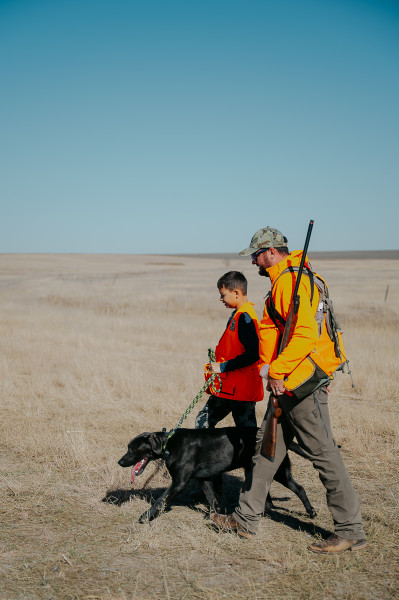
Jace Hatfield, grandson of NAGDA co-founder Kim Woodrick, fared better in the youth division, taking down all the birds in his run in just under 12 minutes alongside his dog, True (short for the title of the John Wayne movie True Grit).
The division is part of the NAGDA’s mission to foster more youth hunting overall, according to Woodrick.
“We had seven new youth hunters at nationals in 2025,” she says. “We usually get two or three every season. We’re trying to grow the organization and establish a heritage of hunting. That’s really important.”
Melvin says every youth hunter who qualifies for nationals each April also receives a shotgun, although that’s not publicized to the hunters ahead of time.
“We try to keep it a secret because the looks on their faces are better than Christmas,” Woodrick says.
A Big Homecoming
It takes Melvin about two weeks to prepare for each trial, which requires setting up the field layout in addition to placing gear and other logistics required to host several dozen hunters and their dogs. Each event requires a different layout, with even more attention placed on nationals, which is limited to qualifiers from trials across the country.
“We don’t give them any advantages at nationals,” Melvin says. “Nobody gets to see the fields once they’re set up, and they don’t know which field they’re running in until they show up.”
Melvin says the setup appears to be working because the number of participants at nationals continues to grow each year, and the format has changed to allow mixed runs with other hunters and other dogs.
“Nationals is like a big homecoming; everyone gets to hang out with each other,” he says. “It’s fun to do a run with someone from somewhere else.”
Safety Always
Any hunt is successful only as long as it’s a safe one, and NAGDA has strict guidelines to ensure both hunters and dogs always remain safe. Unsafe gun handling is an automatic disqualification.
“The biggest thing is, the guys out here not only do this, but they’re hunters as well,” Melvin says. “They know what a safe shot is, and they know what an unsafe shot is.”
Scorekeepers follow each team into the field to keep time and track scores, but they’re also capable of enforcing rules, which includes calling a safety to ensure both humans and dogs are protected in the event a bird flies to an area where shooting it would be unsafe.
“In our rules, you’re allowed to call a safety on your dog, so you still get your points if there’s an interference between the dog and the bird or another handler or field,” Melvin says.
Must Love Dogs
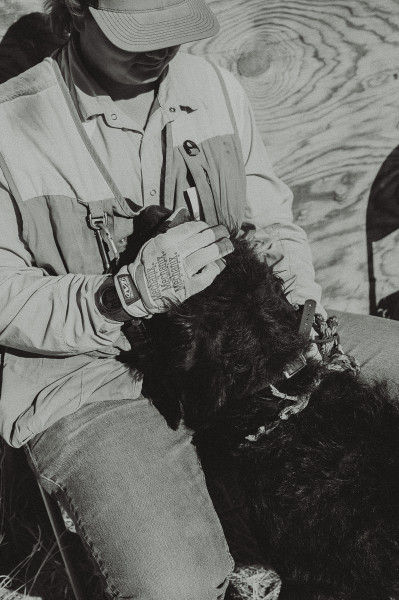
Woodrick says at the end of the day, the hunters compete because they love the sport and their dogs.
“People do this because they love their dogs,” she says. “We have people come just to watch these dogs work and do what they love.”
Although there’s a cash prize for the winner of nationals, Melvin says the main motivation is similar to what pheasant hunters are after.
“It’s about the competition and bragging rights,” he says. “It’s not like we’re winning $1 million.”
First place at nationals is well short of that mark. The winner takes home $500. “It doesn’t even begin to cover the entry fees,” Woodrick says. “Nobody makes money on this.”
Ultimately, NAGDA exists for hunters and their dogs to compete against one another in a friendly manner. The simulated environment means everyone gets to shoot, and hunting traditions are passed on to the next generation.
To learn more about NAGDA, visit www.nagdog.com.