By Brandi Buzzard on October 6, 2026
The Farm Bill Just Expired; What Happens Next?
On Oct. 1, the farm bill expired; what does this mean for agriculture
While I usually spend the last few days of September toting pumpkins, garland and fall décor down from the attic, another more important development happened at the stroke of midnight on Oct. 1.
Until Oct. 1, our nation was operating our food, forestry and fiber policies under the Agriculture Improvement Act of 2018, more commonly known as the 2018 farm bill. At midnight on Oct. 1, it and several provisions expired. This is the fourth year in a row the farm bill has expired. The previous three years, Congress ultimately included a one-year extension of the 2018 bill in another legislative vehicle that was moving at the end of the calendar year before the so-called “dairy cliff” hits. The dairy cliff would be a reversion to decades-old federal law that would result in significantly higher milk prices.

What’s causing the delay?
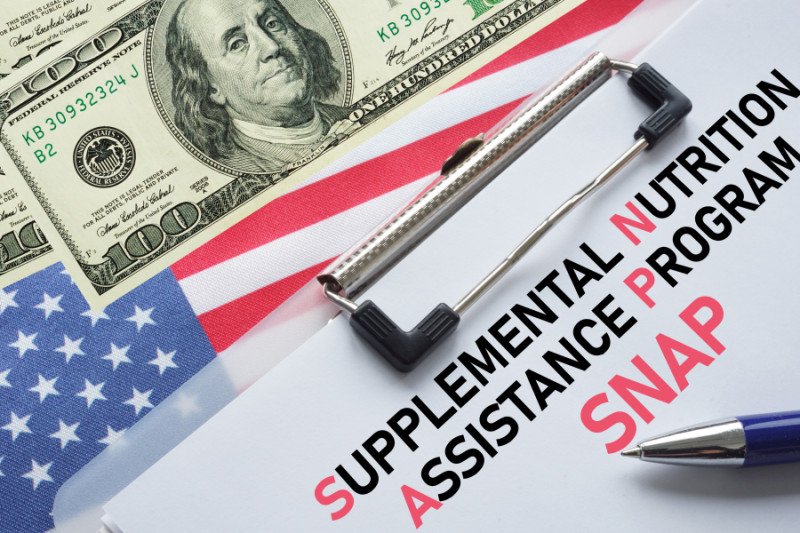
In 2026 particularly, a big hold up is the Supplemental Nutrition Assistance Program — commonly known as SNAP. When H.R. 1 (The “One Big Beautiful Bill”) became law in July 2025, it included provisions on how the administrative fees associated with SNAP would be paid for by transferring to the individual states if error rates (including both over- and underpayment) were above a certain percentage. Because SNAP has historically accounted for more than 80 percent of farm bill funding, debate surrounding the program is often heated and partisan.
 Another policy debate that may or may not be included in a farm bill is the approval process for a permanent nationwide authorization for year-round sales of E15 fuel. Generally, E15 is restricted during the summer driving season (June 1 – Sept. 15), although in 2026 and in previous years, an emergency waiver issued by the Environmental Protection Agency allowed for year-round sales to help quell price increases caused by the war with Iran. Congress and the White House are pressing for permanent year-round sales. While the year-round provision has bipartisan support in the Senate Agriculture Committee bill version, particularly in the Midwest, there are some policymakers and environmental groups that oppose the measure and point to potential negative impacts on decreased air quality in summer months. However, it is not included in the full House of Representatives version of the farm bill.
Other important updates, although not necessarily controversial, are expanded access to agriculture credit, expansion of rural broadband, investments in agricultural research and innovation and updated risk management tools for farmers and cattle ranchers.
 Many of these provisions, such as credit access and risk management tools, are crucial for agriculture’s future. For example, every year the U.S. loses an average of 20,000 farms due in part to economic pressures on small operators. By investing in programs to improve financing options for beginning farmers and increased Farm Service Agency loan limits, the risk of losing record numbers of farms per year can be more easily mitigated.
Small rural businesses are no longer an anomaly, nor is working remotely from the farmhouse for a larger corporation or entity. Access to high-speed internet is arguably a basic utility and allows rural families to be online in a fast-paced, ever-evolving world.
While Washington, D.C., may seem far away and unimportant to farm and ranch families, our daily functions and long-term trajectory are most certainly dictated by public policy. We’re hoping for a new farm bill soon so critical programs remain funded and we can plan strategically for the future.