By Brandi Buzzard on May 5, 2026
What Does a New Farm Bill Mean for Kansans?
Breaking down how the farm bill shapes food, farming and everyday life in Kansas.
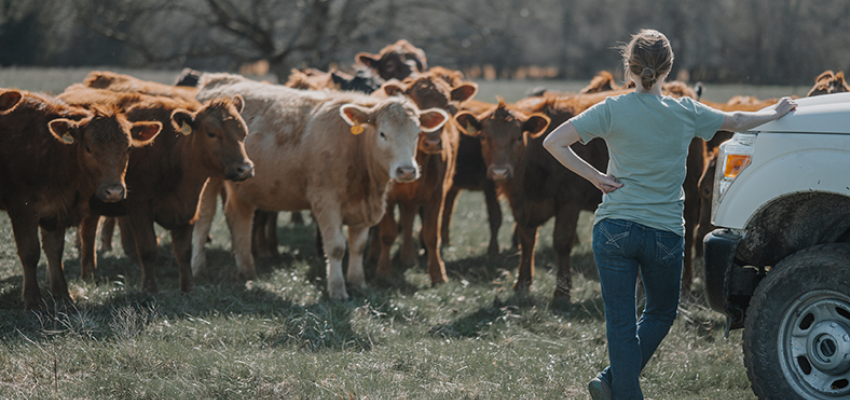
The farm bill may not seem like it affects grocery shoppers and non-farming residents of the United States, but it has far-reaching effects beyond what its name implies.
According to Congress.gov, the 2018 Farm Bill, formally known as the Agriculture Improvement Act, is a multiyear law that governs a wide range of agriculture and food programs including, conservation, trade, food assistance, rural development, forestry, nutrition programs, research, commodity revenue support and more. Essentially, it is a law that provides support, guidance and attention to all things food, farming and nutrition in the United States.
And we are long overdue for a new one.
The last time a farm bill was passed was 2018, initially set to expire at the completion of fiscal year 2023. However, it has been extended three times since then and is set to expire Sept. 30. Lawmakers have been debating provisions and inclusions for a new farm bill since early this year and recently it passed out of the House of Representatives and moved on to the Senate for debate and, hopefully, a vote.
There’s a lot of content in the farm bill, spanning from conservation to nutrition assistance and involves $390 billion in federal funding. We can’t possibly break that all down here, let’s look at a few key areas that affect us here in Kansas.
Nutrition Assistance
The One Big Beautiful Bill, signed into law in July 2025, reduced nutrition assistance funding by $187 billion over the next five years, increased work requirements and altered how to determine benefit amounts. Typically, Supplemental Nutrition Assistance Program (SNAP) funding is addressed in the farm bill, however the version passed by the House did not make further changes or alterations to SNAP funding. Unfortunately, these cuts will be felt by hungry households in both rural and urban Kansas. 
New and Beginning Farmers
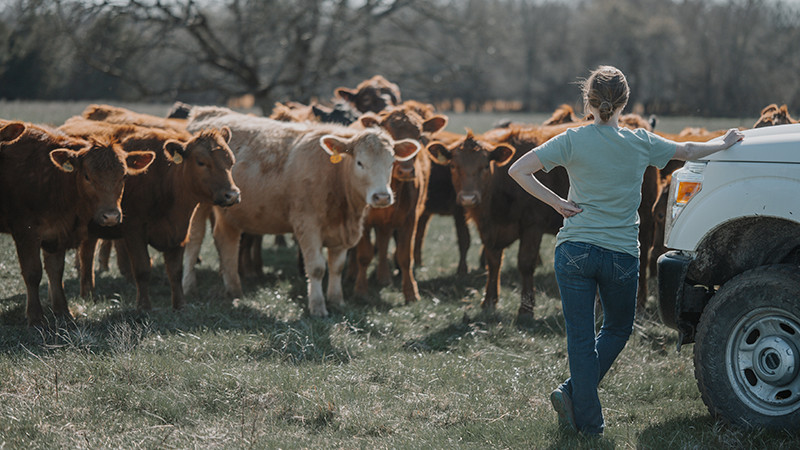
Funding is a massive barrier to entry for new farmers and ranchers as land price increases have vastly surpassed net-wage growth over the past several decades. Thankfully, there are provisions in the farm bill designed to increase access to credit for new producers. We purchased our ranch more than 10 years ago utilizing the funding set aside for beginning and minority farmers and it has saved us thousands of dollars on interest over the life of the loan. If not for the program, even with both of us having full-time jobs, we would have struggled to secure a loan for our little corner in Kansas. I am happy to see the continuation of this program and expansion of the qualifications.
Prop 12
In 2018, California voters passed Proposition 12 (Prop 12), which prohibits the sale of pork, veal and egg products unless they are produced in compliance with the state’s livestock housing requirements, including products produced or raised outside of California. This legislation has driven California prices for pork loins up 32 percent, ribs 22 percent and bacon 16 percent, according to the latest data from the North Dakota State University Ag Risk Policy Center. In the proposed farm bill, a provision is included to clarify that state governments – such as California – cannot impose conditions for raising livestock as qualifications for sale or consumption of products. Clearly this is meaningful for Kansas pork producers as California is the world’s fifth largest economy and access to that market is crucial.
These are just a few snippets of proposed programs in this massive bill but as you can see, the provisions affect all facets of food production so I will certainly be keeping my eyes on its progress.
The House passing the bill marks the furthest a farm bill has made it in Congress since the 2018 bill was passed into law, but experts say it still has quite the hurdle in the Senate due to significant policy disagreements.
I don’t know what the future holds for the proposed farm bill, but I do know that both producers and grocery shoppers alike deserve food policy that supports a vibrant and affordable food system without dramatically sacrificing our resources, foreign relations or lifestyle.
YOU MAY ALSO ENJOY: