By Brandi Buzzard on April 2, 2026
What Does the New Product of the USA Label Actually Mean?
Product of the USA: Welcoming or Confusing?
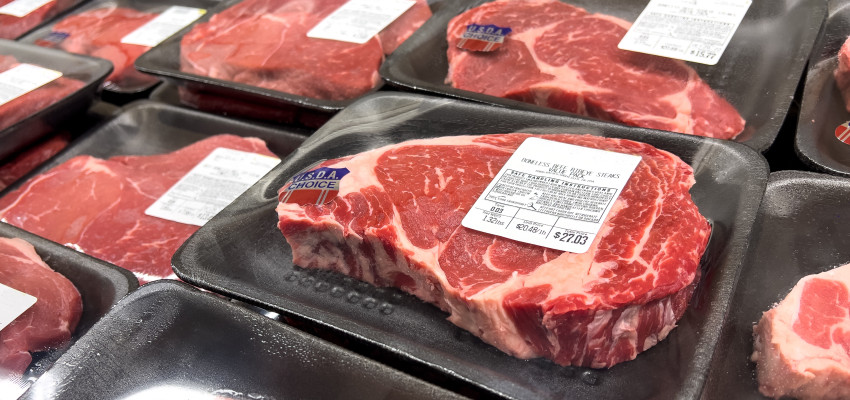
The United States’ food supply is massive and complex, incorporating food products from across the nation, and the globe, to fill grocery stores and farmers markets for our country’s 340 million people.
From coast to coast, America’s farmers, ranchers and growers raise food that nourishes families both here and abroad — through exports — and similarly, we support agricultural producers from other nations through our import markets. It’s a give-and-take I’ve written about at length in the past.
With a food supply of that size and scope, it’s natural to have questions about how our food is grown, procured, processed and placed for our purchasing selections. Recently, the United States Department of Agriculture announced the launch of a public awareness campaign to increase consumer understanding of the “Product of the USA” voluntary labeling standard.
So, what does that mean as you shop for groceries in the coming weeks and months?
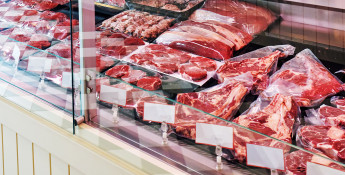
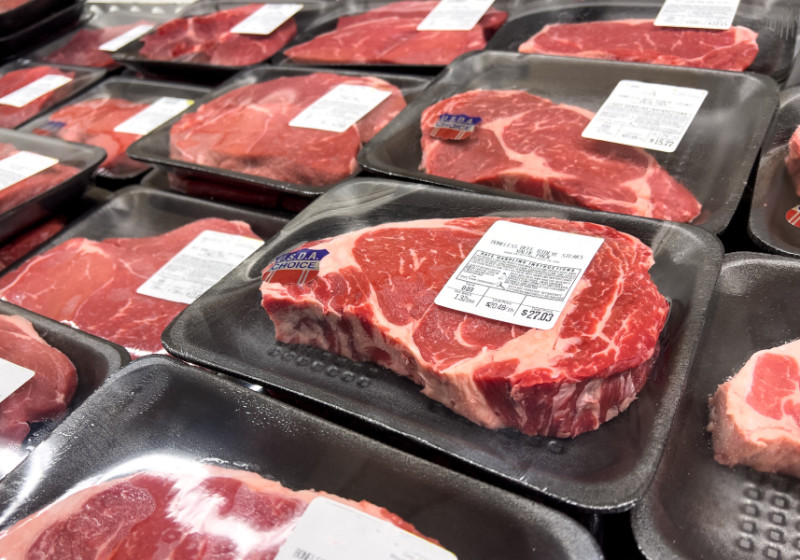
Under this standard, the “Product of the USA” label is reserved only for egg, poultry and meat products from animals born, raised, harvested and processed in the U.S. Therefore, you shouldn’t expect to see it on fruit, coffee, chocolate, nuts, cheese, etc. (point of order: many of those products are imported). The claim and attached label are voluntary, but companies which elect to use it must meet the aforementioned requirements.
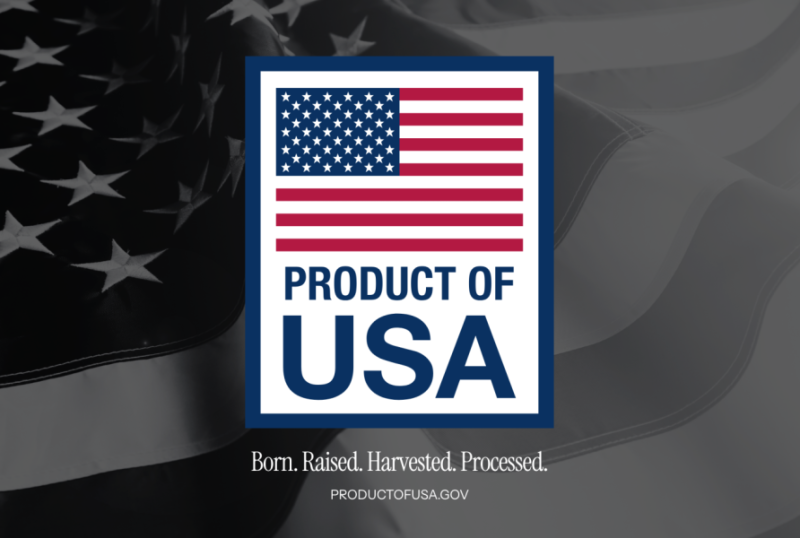 According to the Federal Register, the rule — which was finalized in 2024 but is just now gaining attention with the public relations campaign — seeks to “enhance consumer purchasing decisions and ensure that labeling is consistent with consumer understanding and expectations of products labeled as “Product of the USA” and “Made in the USA” and not misleading.”
A critically important note to remember is even though a meat, poultry or egg product may not carry the “Product of the USA” label, it does not mean the food product was not inspected or is not safe.
The Food Safety and Inspection Service (FSIS) is responsible for ensuring all meat, poultry and egg products imported into the U.S. are safe, wholesome and properly labeled and packaged. Furthermore, select animal products from certain countries are prohibited from entering the U.S. due to animal disease conditions in the origin country.
 Importers into the U.S. must file customs entry forms and meet U.S. Customs and Border Protection and Animal and Plant Health Inspection Service requirements before any shipment is inspected by FSIS at an approved import inspection facility. There are multiple safeguards and checkpoints in place to ensure the food on our grocery store shelves is safe, nutritious and meets our high standards.
Some farm organizations and commodity groups are heralding the “Product of the USA” rule as a big win for U.S. producers, while others are skeptical of the effects it will have on consumer purchasing decisions and if the rule will cause confusion. As always, I hope shoppers with questions will seek a reliable source to ask their burning beef questions (hint* hint*).
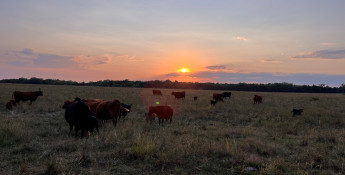
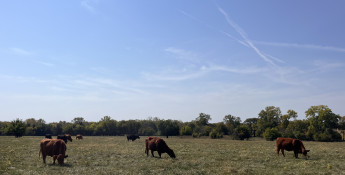
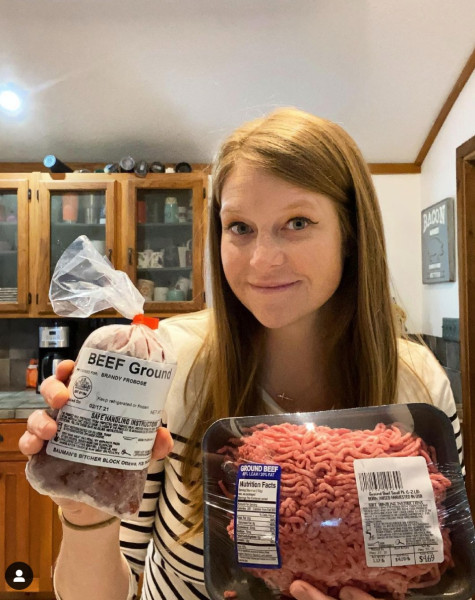
As a rancher who sells beef into the grocery store pipeline but also sells a substantial amount of custom freezer beef, I want to assure you: regardless of where you buy your beef, the United States has the safest and most affordable food supply in the world. Furthermore, my fellow farmers and ranchers are happy to meet your demand for beef, whether you want it from the farmers market, from Kroger or from the local butcher.
YOU MAY ALSO ENJOY: