By Brandi Buzzard on February 5, 2026
Regenerative Sustainable Agriculture
Is there a difference between sustainability and regenerative agriculture? Or is regenerative ag just a new buzzword?
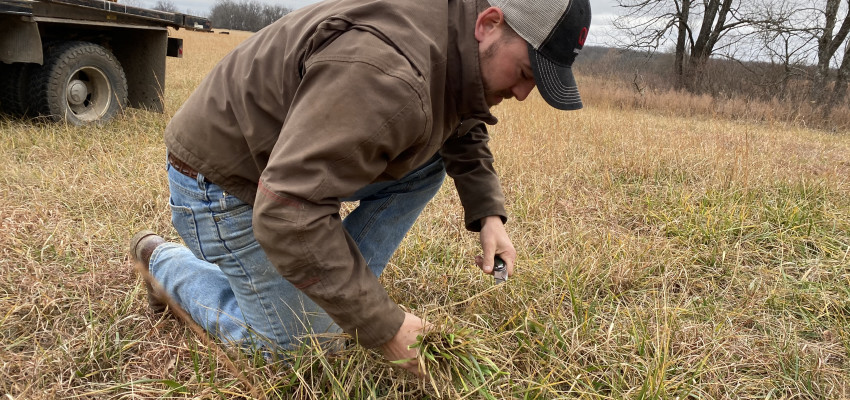
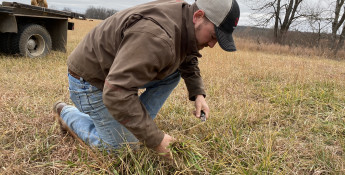
As of the writing of this article, I am at a cattle industry conference in Nashville, Tenn., where I will be fortunate enough to listen to industry experts, academics and stakeholders share insights on issues affecting ranchers, from markets to animal welfare to environmental issues. Glaringly, many topics on the agenda are sustainability workshops and sessions where producers will collaborate and discuss grazing plans, water issues, resource policy and much more. These topics will always be top of mind in the cattle industry and have been for decades.
However, it seems as though some in society — agriculture and mainstream media and food companies — may have moved on to a new initiative.
Regenerative agriculture.
I’ve noticed the slow growth in how often I’ve seen this term among agriculture businesses, homesteaders, on social media and in some agriculture trade magazines I read. I wanted to compare regenerative agriculture with sustainability and see if they are different or if regenerative ag is just a new name for the same stewardship we’ve been practicing on farms and ranches for several years.
Regenerative agriculture, as defined by the World Economic Forum (WEF), is a resilient, equitable and environmentally sound food system that focuses on regenerating soil health, enhancing biodiversity and utilizing technology to create low-carbon, productive and profitable farming systems that feed a growing population. That sounds a lot like sustainability to me, but the WEF indicates regenerative ag is a subset of sustainability — a central focus which moves beyond sustainability to actively restore soil health, increase biomass and enhance ecosystem services.
Based on these top-level definitions, it seems as though regenerative agriculture is taking deeper steps to preserve and strengthen our environment for the sake of food and fiber production and future generations. To be clear, I’m not angry, but I am a bit concerned.
How many knew the distinction between sustainable agriculture and regenerative agriculture before reading this? Better yet, how many farmers and ranchers know there is a new standard of measurement for successful conservation practices in production agriculture?
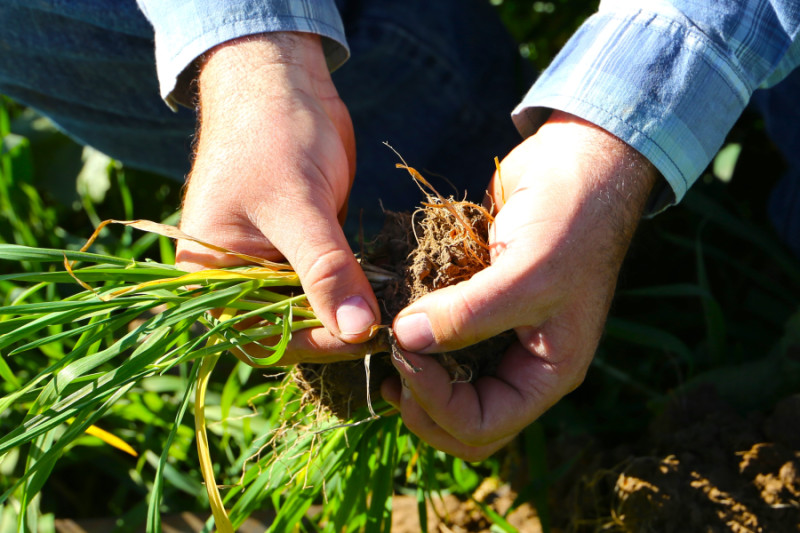 I don’t personally believe the goalposts are moving due to anything malicious. It’s not like I’ve seen people bashing sustainability; I’ve only ever seen regenerative agriculture portrayed positively. Since the advent of advertising and marketing, businesses have found ways to differentiate from their competitors and create new ways to generate interest. I wholeheartedly believe regenerative agriculture practices can help conserve our precious land and water resources for future generations. However, I don’t know that every instance I’ve seen of using the descriptor “regenerative” is doing so with the WEF definition in mind. My assumption is some are using it as a catchy buzzword to be the next big thing.
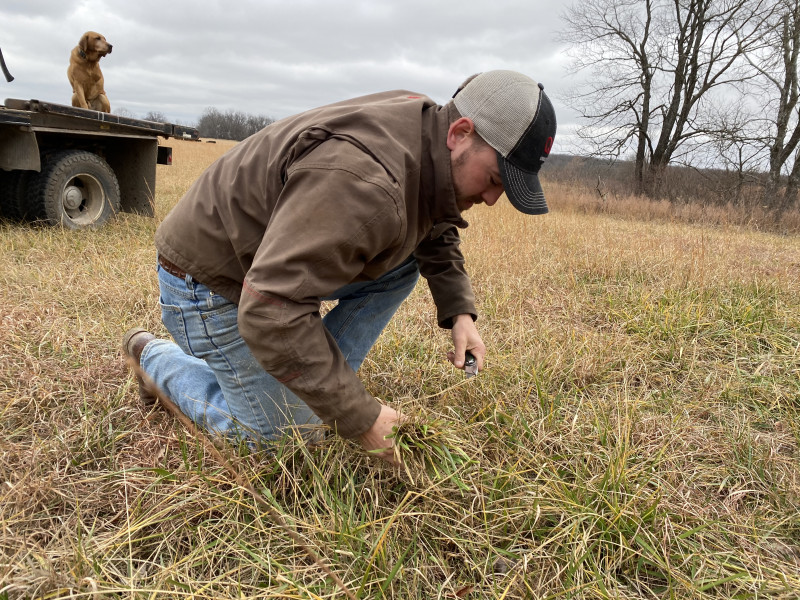 Therein lies my concern. Are grocery shoppers willing and/or able to differentiate? Does changing terms – and the measuring stick – every few years help or hurt grocery shoppers? We likely won’t have a definitive answer to this question, at least not anytime soon.
But, golly, it can sure be hard to keep up with the trends between feeding cows and rushing kids to basketball practice.
Just my musings as a 30-something rancher trying to keep up in an everchanging world of new technology, buzz-word advertising and a literal changing climate.
YOU MAY ALSO ENJOY: