By Grace Allee on December 15, 2025
Bringing Agriculture to Life for Kansas Students
A Kansas educator uses agriculture as a lens for learning, from kindergarten to beyond

When Kelsy Sproul, a former kindergarten teacher in Chautauqua County’s Sedan, looked at the scripted curriculum handed to her during her first year in the classroom, she quickly realized something wasn't connecting.
The lessons were aligned to national research, but much of that research was built around suburban and urban students. For her rural Kansas classroom, the examples simply didn’t fit.
Instead of forcing unfamiliar concepts, Sproul leaned into what she knew.
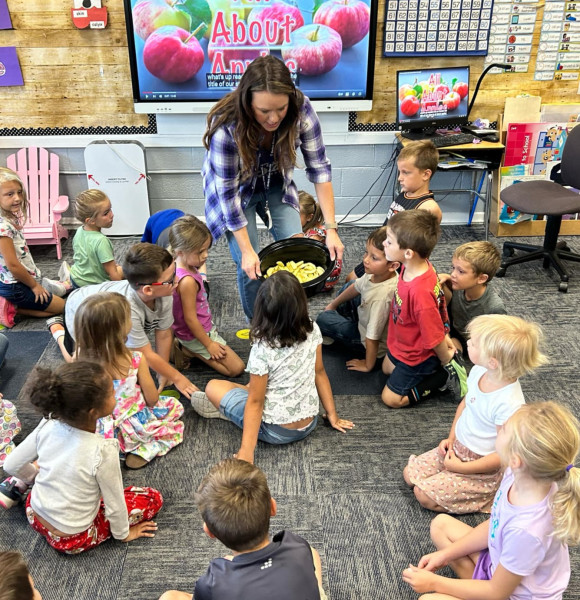
“I started using agriculture because that's what I knew and my students were able to relate to it, too,” she says. “They understood it because they know their place and environment.”
That decision transformed not only her classroom, but eventually her school and now potentially across the state.
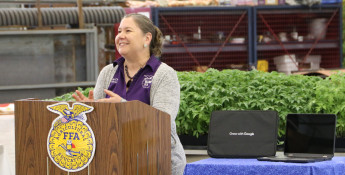
This year, Sproul was named Kansas Foundation for Agriculture in the Classroom’s (KFAC) 2026 Teacher of the Year, an award recognizing outstanding educators who weave agriculture into daily learning.
Teaching from the ground up
Sproul’s early lessons were simple: counting syllables using familiar words like pasture and cattle instead of apartment or skyscraper.
“If I used words they’d never heard before, they weren’t focusing on the skill — they were trying to figure out what the word meant,” Sproul says. “Using agriculture allowed them to learn faster.”
And they did. Sproul noticed her students grasping reading and math skills more quickly and confidently. But the most unexpected change came from outside the classroom.
“Parents reached out thanking me for making their child’s learning relevant to their lives,” she says. “They could finally talk with their kids about what they were learning at school.”
In a community with socioeconomic challenges, Sproul says connecting to agriculture helped students feel empowered and not overlooked.
“Agriculture makes students proud of where they’re from,” she says. “They realize the knowledge they have is valuable and that they’re very intelligent.”
FFA Fridays
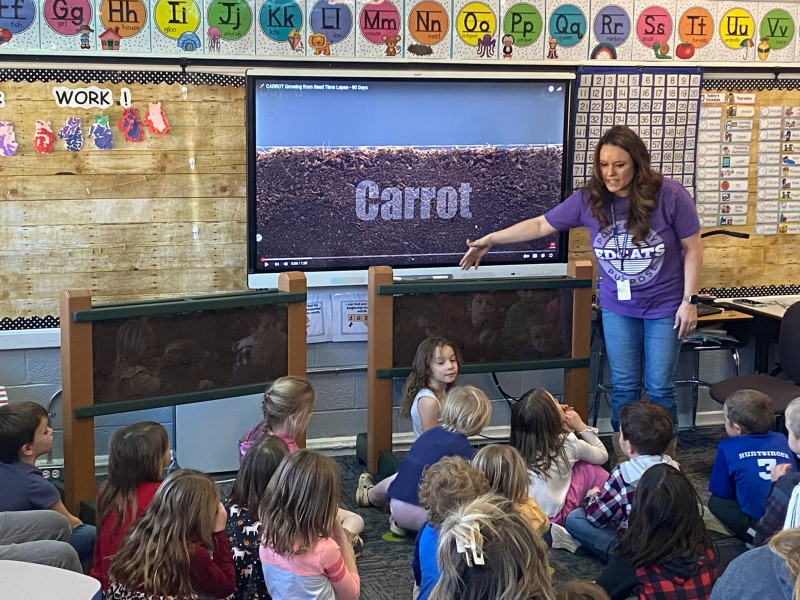
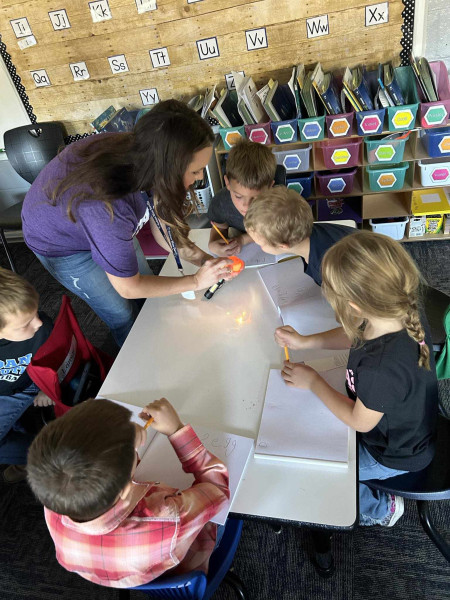
Each week, high school FFA members called “Friday FFA pals” visited her class to help teach hands-on lessons tied to the week's agricultural theme.
One soil unit ended with edible soil layers made of cookies, pudding and candy worms. Other weeks brought chick hatching, tower gardens, seed studies and more.
“The kids loved it when the big kids came to visit,” Sproul shares. “They saw agriculture isn’t just something you learn when you’re little, it’s part of future careers and possibilities.”
Those visits also created confidence for students who didn't come from farm families.
“The goal is that by the time students reach middle school, they will feel comfortable pursuing agriculture courses,” she says. “Early exposure helps ensure they already know the agriculture teacher and possess foundational knowledge to support continued learning.”
Growing schoolwide impact
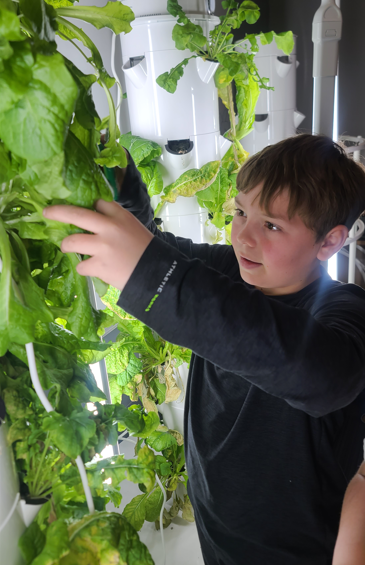
What began as a kindergarten experiment soon expanded across the entire elementary school. Each afternoon, Sproul taught agriculture-based lessons to first through fifth graders, making use of the junior high science room for projects requiring water, garden towers, or a little dirt.
“We got messy, that’s what we did,” Sproul said. “Agriculture is hands-on, and the kids loved it.”
While she dreamed big for her students' academic success, she had an equally important goal: showing them that their community mattered.
“Agriculture can make their life feel relevant in the classroom,” she says. “It bridges that gap between school and the world they live in every day.”
Where she is now
Sproul now serves as a Graduate Teaching Assistant in Kansas State University’s College of Education, where she teaches an elementary literacy and math intervention course to pre-service teachers. She also works with the university’s Rural Education Center, supporting efforts to improve the education of children and youth in rural and small schools across Kansas and the regional area served by Kansas State University. In addition, she is developing an agriculture-based micro-curriculum called Growing Readers based on the Kailey's Ag Adventures book series by Kansas author Dan Yunk while researching the use of agriculture to support literacy instruction for rural elementary students. This project is a collaborative effort between the Kansas State University College of Education, Kansas Foundation for Agriculture in the Classroom (KFAC) and Kansas Farm Bureau (KFB). Her experience in the elementary classroom informs every aspect of her work.
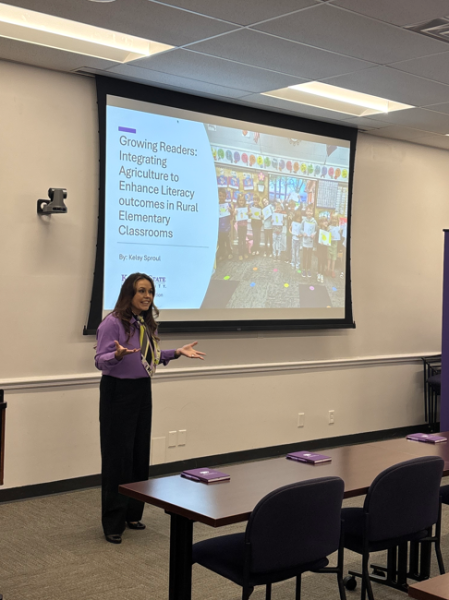
“I’ve dedicated my life to this,” she says. “I want every elementary school in Kansas and eventually nationwide to see the value of place-based education rooted in agriculture.”
Taking Kansas agriculture to the national stage
As part of being named Teacher of the Year, Sproul receives an all-expense-paid trip to the National Agriculture in the Classroom Conference, funded through Kansas Farm Bureau’s support of KFAC.
KFB’s contribution covers the scholarship that sends the Teacher of the Year to the national conference the following summer — giving educator's access to new tools, professional development and connections with other agricultural literacy leaders.
Sproul is planning to present a lesson from the Growing Readers micro-curriculum she’s developing.
“I want to show teachers how agriculture can teach any subject, even literacy,” she says. “This work can change classrooms.”
Planting seeds that last
Sproul believes agriculture literacy is essential for future generations.
“We need competent citizens who understand food doesn’t come from a grocery store,” she says. “Agriculture touches everything, our clothes, our medicines, our daily lives.”
Her goal is simple: help students recognize the value of where they’re from and the agricultural world around them. With support from Kansas Foundation for Agriculture in the Classroom and Kansas Farm Bureau, that message now reaches far beyond Sedan.